
AI for Engineering Knowledge Management
In the ever-evolving world of mechanical engineering, 3D CAD modeling is at the heart of design and innovation. But as product lifecycles accelerate and market demands increase, traditional CAD workflows are being pushed to their limits.
·
⏱
3 min read

Dr. Maor Farid
Maor Farid is the Co-Founder and CEO of Leo AI, the first AI platform purpose-built for mechanical engineers. He holds a PhD in Mechanical Engineering and completed postdoctoral research at MIT as a Fulbright fellow. A Forbes 30 Under 30 honoree and former AI researcher and Mechanical Engineer in an elite military intelligence, Maor leads Leo AI's mission to transform how engineering teams design better products faster.
BOTTOM LINE
At the end of the day, AI helps engineers do what they do best: innovate. By taking over repetitive tasks and suggesting optimal paths forward, AI allows professionals to spend more time pushing boundaries and less time clicking through menus.
The impact is quantifiable. Teams using Leo report 8.3+ hours saved per engineer per week. Design errors drop by 34%. And organizations see 211% faster time-to-market when their entire team has access to the same knowledge base instead of working in silos.
Enter AI-driven design — a powerful advancement that’s reshaping how engineers create, iterate, and collaborate.
At Leo AI, we’re building cutting-edge AI tools to support mechanical engineers in streamlining their work without compromising quality. So, what exactly are the benefits of using AI in 3D CAD modeling? Let’s break it down.
Faster Design Cycles
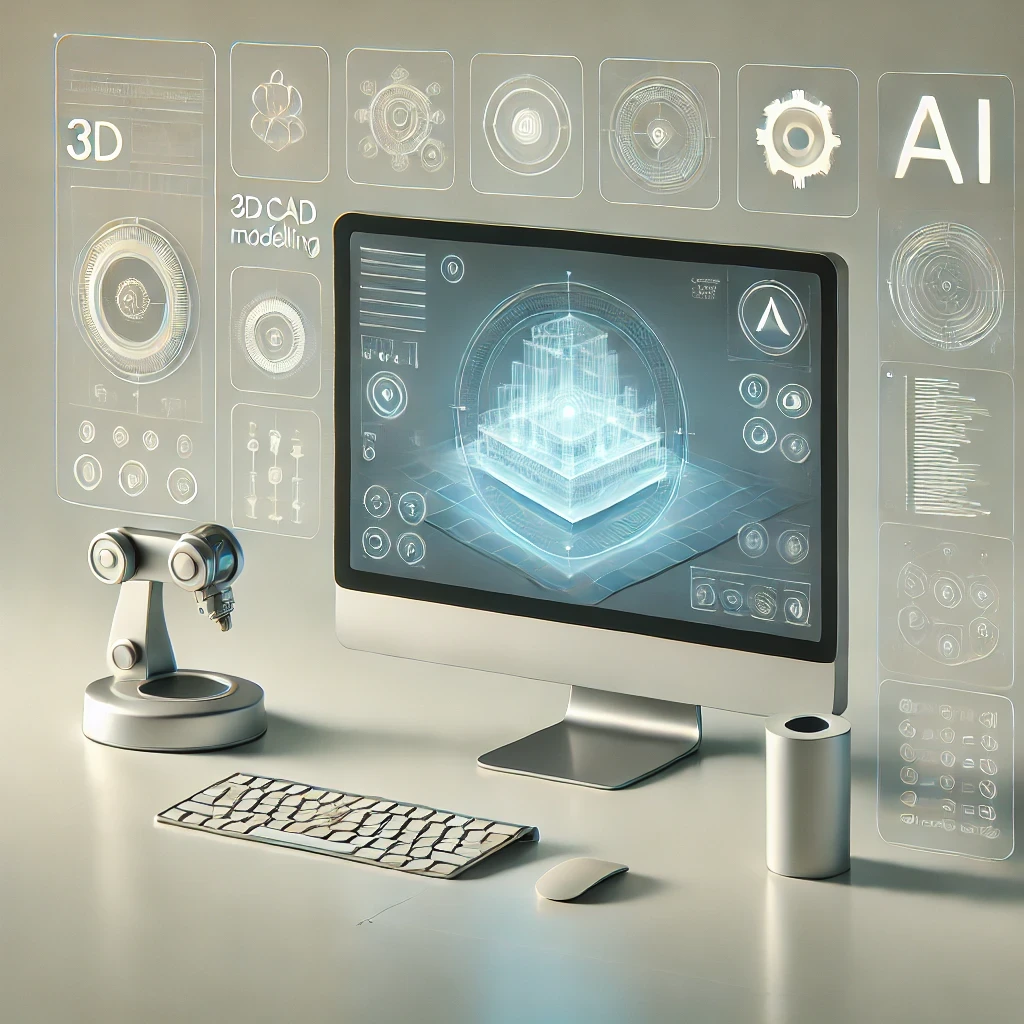
One of the most immediate advantages of AI is speed. By learning from historical data and understanding design intent, AI can automate repetitive modeling tasks — from generating standard components to suggesting geometry based on context. This means engineers can get to the first viable design in a fraction of the time it used to take, freeing them up for more strategic thinking and problem-solving.
IN PRACTICE
Better Collaboration Across Teams
"The connection to our PDM and using that as a data source is legit the best thing ever. I found three viable bracket options fitting my exact envelope constraints — in minutes, not days."
— Eytan S., R&D Engineer
Smarter Suggestions, Fewer Errors
AI-powered CAD systems don’t just draw lines and surfaces — they understand context. These tools can suggest features or flag potential design flaws in real time, reducing the chance of costly errors down the line. Think of it as a smart assistant that’s constantly checking your work, offering improvements, and catching issues before they snowball into bigger problems.
Generative Design at Scale
Generative design is one of the most exciting applications of AI in CAD. Engineers can input parameters such as strength requirements, materials, and constraints, and the AI generates multiple optimized design options. This opens the door to lightweight structures, cost-efficient manufacturing, and innovative forms that would be nearly impossible to conceive manually.
Seamless Iteration & Rapid Prototyping
AI allows engineers to iterate faster. With intelligent design suggestions and quick adaptation to changes, prototyping becomes more fluid. Instead of redrawing or manually adjusting designs, the system can adapt existing models to new requirements instantly — accelerating the feedback loop between design and production.
FAQ
Stop Wasting Hours on Manual CAD Search
Leo AI turns your existing vault into a searchable knowledge base.
Leo AI connects to your PDM and makes every part findable by description in under 10 seconds. <a href="/onboarding">Try Leo Today</a>

#1 New AI Software Globally - G2 2026

Enterprise-grade security

Trusted by world-class engineering teams