
AI for Design Quality & DFM
AI for weldment design review checks weld callouts, access, and fabrication rules against standards, catching errors before parts reach the weld shop.
·
⏱
7 min read

Michelle Ben-David
Michelle Ben-David is a mechanical engineer and Technion graduate. She served in an IDF elite technology and intelligence unit, where she developed multidisciplinary systems integrating mechanics, electronics, and advanced algorithms. Her engineering background spans robotics, medical devices, and automotive systems.
BOTTOM LINE
Weldments are easy to model and hard to build when access, symbols, or member sizing are wrong. Those errors are cheap to fix in CAD and expensive to find at the weld bench, and manual review depends on scarce shop experience.
AI for weldment design review reads the geometry and callouts, checks them against welding and fabrication standards, and flags the access, symbol, and sizing problems that cause rework. Each flag points to the rule behind it, so the engineer can act with confidence.
The result is a consistent first pass that brings shop knowledge into the model early. The engineer still decides, but with the fabricator's constraints in view, before the weldment leaves engineering.
A weldment looks clean in CAD and falls apart in the shop. The torch cannot reach a joint buried inside the frame, a weld symbol is missing its size, and a member is too thin for the weld it is asked to carry. Weldment errors are easy to make in a model and expensive to find on the bench, because the model does not feel the constraints a welder does.
AI for weldment design review checks a weldment against fabrication rules and welding standards before it leaves engineering. It reads the geometry and the callouts and flags the access, symbol, and joint problems that cause rework. This guide explains what a weldment review covers and how AI makes it faster and more consistent.
Why Weldment Design Is Easy to Get Wrong
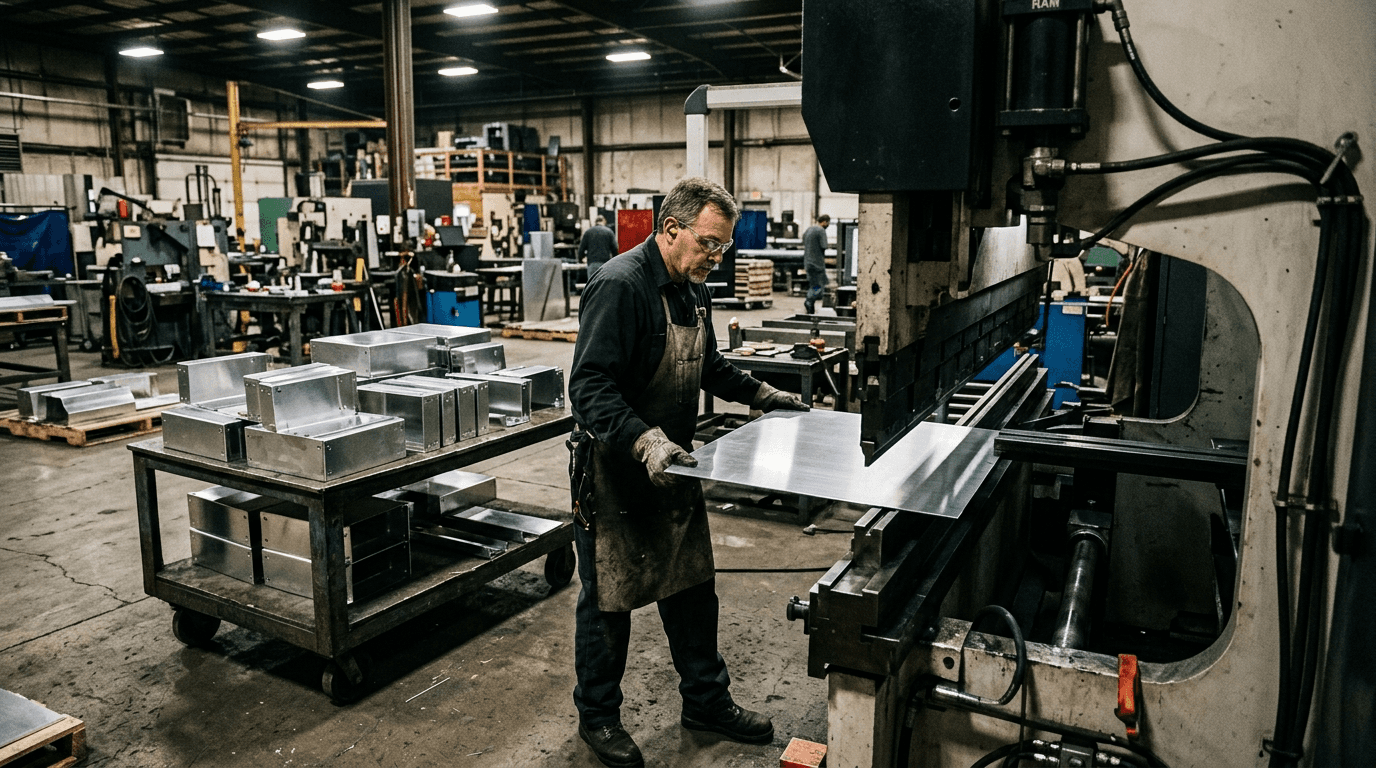
Weldments combine geometry, materials, and process in a way that punishes small oversights. A joint that is fully defined on screen can be impossible to reach with a torch, and a weld symbol that is incomplete leaves the fabricator guessing.
Manual review depends on an experienced engineer who knows the shop and the standards. That knowledge is valuable and scarce, and when the reviewer is busy, weldments ship with problems that only appear at fabrication. It is the same late-error pattern that drives teams to catch design mistakes before manufacturing.
Weldment knowledge is also some of the hardest to retain. A veteran welder knows which joints warp, which need backing, and which sequences control distortion. When that person retires, the knowledge often leaves with them unless it is captured somewhere the next engineer can reach.
IN PRACTICE
What Engineers Are Saying
"It is the only AI for mechanical engineers that actually understands CAD, PLM, and the realities of enterprise design work. With Leo, our team improves design quality, reduces mistakes, and shortens time-to-market."
Uriel B., Field Warfare and Survivability Specialist
What a Weldment Review Should Cover
A thorough weldment review goes well beyond whether the parts touch.
1. Weld symbol completeness Every weld needs a symbol with the right type, size, and length so the fabricator knows exactly what to lay down.
2. Torch access Each joint must be reachable for the chosen process, with room for the torch and the welder's hand.
3. Member sizing Members must be thick enough for the weld and the load, avoiding burn-through on thin sections.
4. Standards compliance Symbols and callouts should follow the applicable welding standard so they are read consistently.
Miss any of these and the weldment looks finished while still being unbuildable as drawn.
Distortion and weld sequence deserve attention too. Heat input and the order of welds affect how a frame pulls out of tolerance, and a review that considers sequence helps the engineer plan welds that hold dimensions rather than fight them afterward.
Access problems are the most expensive because they often cannot be fixed at the bench at all. If a joint truly cannot be reached, the part goes back to engineering for a redesign, halting the job. Catching that in CAD, where opening a section or splitting a weld is a quick edit, avoids the worst kind of shop-floor surprise.
How AI Reviews a Weldment
AI reads the weldment geometry and the callouts together and checks them against welding and fabrication rules. It flags joints that lack a complete symbol, joints that look unreachable, and members that are undersized for the weld.
Leo AI is trained on a large body of engineering and welding standards, so each flag points to the rule behind it rather than a generic warning. Catching an access or symbol problem in CAD costs minutes. Finding it at the weld bench costs a scrapped fixture and a schedule slip, which is why a consistent first pass matters.
Material and process pairing deserves a check too. A weld specified for one base metal or thickness may be wrong for another, and a mismatch shows up as burn-through, cracking, or a joint that never reaches strength. Reading the members and the callouts together lets the review flag these pairings before they reach a welder.
Designing With the Shop in Mind
The deeper value of AI review is that it brings shop knowledge into the model early, when changes are cheap. It encodes the constraints a good welder would point out and surfaces them while the design is still editable.
That protects against the loss of tribal knowledge as experienced fabricators retire, and it shortens the loop between engineering and the shop. The engineer still makes the call, but they make it with the shop floor in view.
Capturing this knowledge also shortens onboarding. A junior engineer designing their first weldment benefits from the same encoded shop rules that a veteran carries by memory, so they make fewer of the predictable first-time mistakes. The experienced welder's feedback, in effect, arrives at design time instead of after the job is cut.
A Weldment That Fails at the Bench
An engineer models a steel frame with a gusset welded inside a closed box section. On screen it looks solid. At the shop, the welder cannot fit a torch inside the box to reach the inner gusset welds, and the job stops while engineering issues a change.
An AI review reads the assembly and flags the inner welds as likely unreachable for the specified process, before the drawing ever leaves engineering. The engineer opens the section, moves the gusset, or changes the joint, while the fix is still a quick model edit rather than a scrapped fixture.
The same pass checks that every weld symbol is complete and that no member is too thin for the weld it carries. The fabricator receives a drawing they can actually build, and the loop between design and shop tightens from days to minutes.
The tighter loop is the real prize. When weldments arrive at the shop buildable as drawn, the back-and-forth that normally eats days collapses. Engineering ships with confidence, the shop runs without stoppages, and the trust between the two groups, which erodes with every avoidable change, holds.
FAQ
Catch Weld Errors in CAD
Stop finding unreachable joints and missing weld symbols at the bench.
Leo AI reads your weldment geometry and callouts, checks them against welding standards, and flags access, symbol, and sizing problems before fabrication.
Schedule a Demo →

#1 New AI Software Globally - G2 2026

Enterprise-grade security

Trusted by world-class engineering teams